How to Be a Landlord: First Time Landlord Checklist (Free Fillable PDF)
To rent out your house and be a landlord, you learn your state and city rules, get the property safe and insured, set a fair rent, screen tenants the same way every time, sign a written lease, collect rent with a clear record, keep up with repairs and report the income on your taxes. This guide walks through each step for a first time landlord with one home, a duplex or a few units, with a free checklist you can fill in on screen or print.
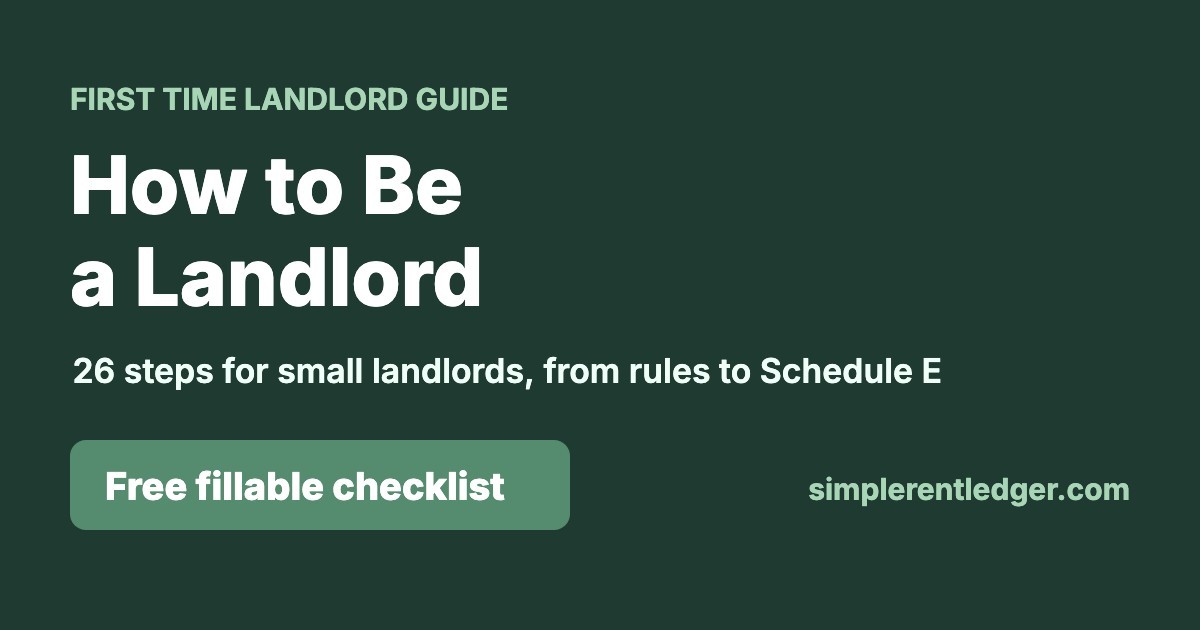
Free fillable first time landlord checklist (PDF). One page with 26 steps in 6 groups, from checking your local rules to filing Schedule E. Each step has a Done box, a date and a notes line, plus space for your key contacts.
What is landlording?
Landlording is the work of renting out property you own and running the rental yourself: finding and screening tenants, collecting rent, keeping the unit safe and repaired, following landlord tenant law, and keeping records for your taxes. Many small landlords own a few units and do all of this without a property manager. The 6 steps below walk through each part. For the rent records, use a tenant ledger for each tenant and a monthly rent roll.
Step 1: Before you rent
- Learn your state and city rules. Deposit limits, notice periods and late fee rules change a lot from state to state, and some cities add their own rules. Start with our guides for California, Texas, Florida and New York.
- Check local permits and HOA rules. Some cities require a rental license, registration or inspection, and some HOAs limit rentals. Ask before you list.
- Call your insurance company. A homeowners policy often does not cover a home you rent out. Most landlords switch to a landlord (dwelling) policy, and many ask tenants to carry renters insurance.
- Check your mortgage. Loans for a home you live in often require you to live there for a set time. Read your loan terms or ask your lender before you rent it out.
- Keep the money separate. Open a separate bank account for rent and expenses, and set aside a repair reserve for things like a water heater or a roof leak.
Step 2: Get the unit ready
- Make it safe and livable: working heat, water and power, smoke and carbon monoxide alarms, and locks rekeyed between tenants.
- Built before 1978? Federal law requires a lead paint disclosure. Before the lease is signed, give the tenant the EPA pamphlet “Protect Your Family From Lead in Your Home”, disclose any known lead paint and reports, and include a Lead Warning Statement with the lease. Keep the signed copy for 3 years.
- Take dated photos of every room before anyone moves in. They become your proof at move out.
Step 3: Set the rent and advertise
Look at 5 to 10 similar rentals near you, with the same number of bedrooms and similar condition, and price close to them. A home priced a little under the market usually rents faster and attracts more applicants to choose from.
Before you advertise, write down your rental criteria, such as income, credit and rental history, and use them for everyone. The federal Fair Housing Act bans discrimination based on race, color, national origin, religion, sex, familial status and disability, and many states and cities protect more groups. Describe the property in your listing, not the kind of tenant you want.
Step 4: Screen tenants and sign the lease
- Take a written application with the applicant’s written permission to run credit and background reports.
- Verify income, ID and past landlords, and keep short notes on why you approved or denied each applicant.
- If a report affects your decision (a denial, a cosigner or a higher deposit), the FTC says you must give an adverse action notice. It names the reporting company, says the company did not make the decision, and explains the applicant’s right to a free copy and to dispute errors.
- Use a written lease that fits your state and includes any required disclosures.
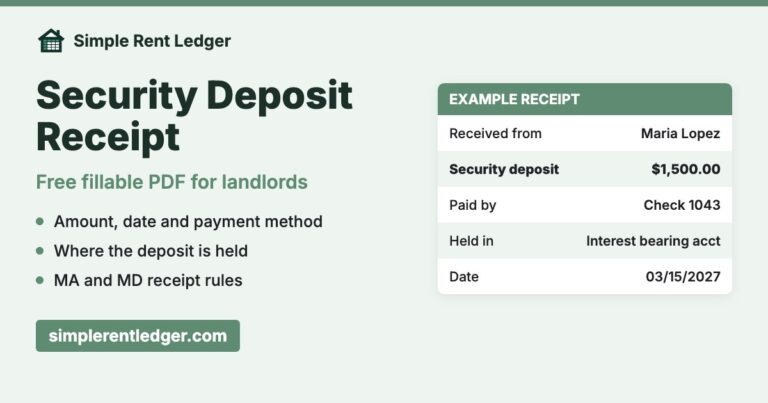
- Collect the security deposit within your state’s limit and give a receipt. For example, California allows 1 month’s rent for most landlords and New York 1 month, while Texas and Florida set no state limit. Track it with our security deposit guide.
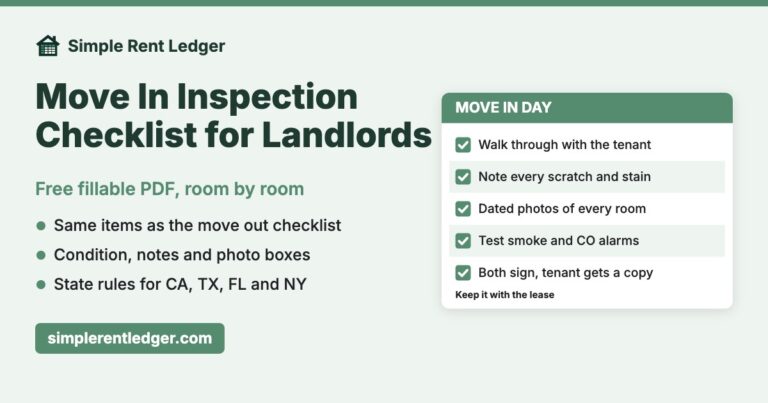
- Do a move in inspection together, with photos, and both sign it. Use our free move in inspection checklist.
Step 5: Run the rental
- Record every payment in a rent ledger and give a rent receipt when the tenant asks or pays in cash.
- Have a late rent process written in the lease: the due date, any grace period, a late fee that follows your state’s rules and a friendly late rent notice.
- Handle repairs fast and inspect once or twice a year with notice, using our rental inspection checklist.
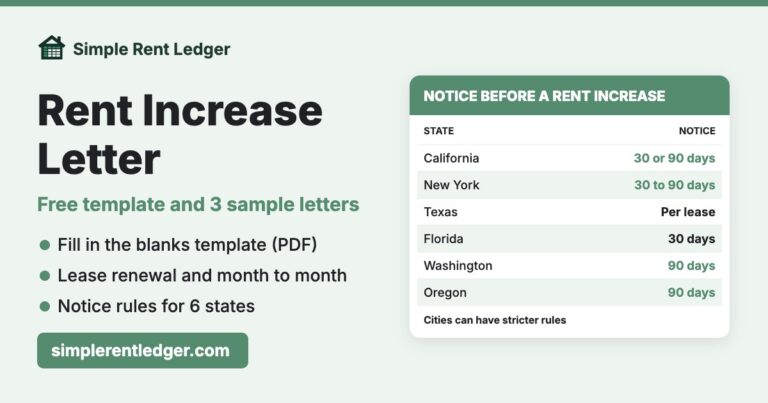
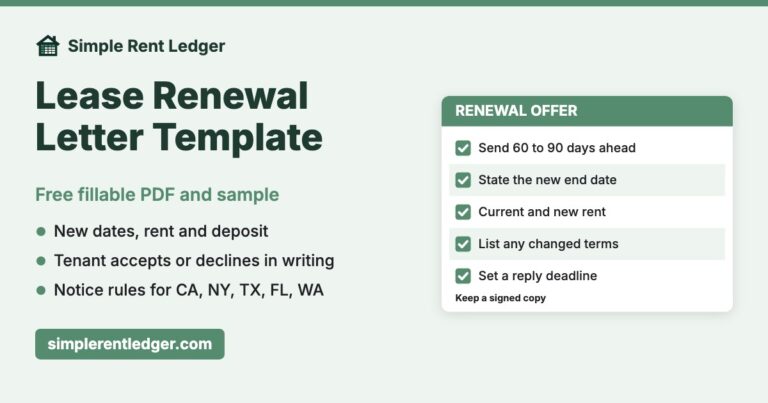
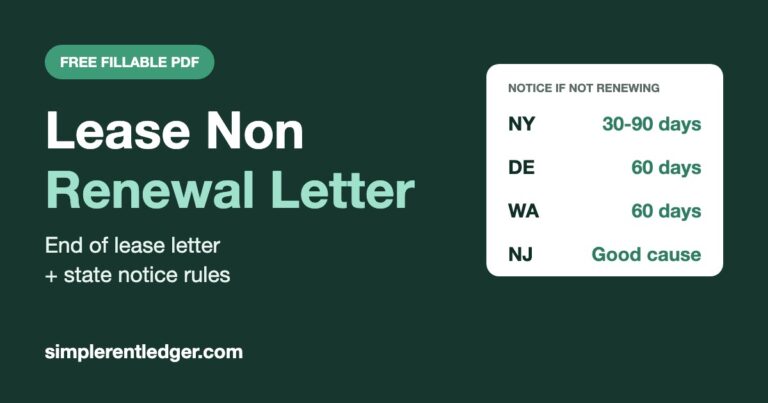
- Plan renewals and rent increases early, because states require notice. See our rent increase letter and lease renewal letter.
- When a tenant moves out, inspect, return the deposit on time with an itemized list (21 days in California, 30 in Texas, 14 in New York, 15 or 30 in Florida) using our deposit return letter.
Step 6: Taxes and records
Rental income is taxable, but only your profit after expenses. You report each property on Schedule E (Form 1040), deduct expenses like mortgage interest, property tax, insurance and repairs, and depreciate the building over 27.5 years once it is ready to rent. Keep every receipt. These guides help:
- How rental income is taxed
- Rental property tax deductions checklist
- Rental depreciation calculator
- Schedule E guide
- Landlord record keeping: what to keep and for how long
How much do landlords make?
There is no official average, because profit depends on the rent, the mortgage, property tax, insurance, repairs and how many months the unit sits empty. What you make is the rent you collect minus everything you pay to own and run the property. Here is a simple monthly example for one rental house:
| Item | Per month |
|---|---|
| Rent | $1,800 |
| Vacancy allowance (5% of rent) | -$90 |
| Mortgage payment (principal and interest) | -$950 |
| Property tax | -$250 |
| Landlord insurance | -$110 |
| Repair reserve | -$100 |
| Other costs (HOA, water, supplies) | -$50 |
| Cash left over | $250 |
In this example the landlord keeps about $250 a month, or $3,000 a year, before income tax. Each mortgage payment also pays down the loan, and the home may rise in value, but that money is not cash in hand until you sell or refinance. One big repair, such as a new roof, or a few empty months can use up a whole year of cash flow, which is why the reserve matters. All numbers here are made up.
To test a property before you buy, use our cap rate calculator. Once you rent, record every payment in the rent ledger and every cost in the expense spreadsheet to see what you really make.
Is being a landlord worth it?
| Reasons it can be worth it | What makes it hard |
|---|---|
| Monthly rental income that can grow over time | Empty months and tenants who pay late or not at all |
| The rent helps pay down your mortgage | Repairs, sometimes urgent and expensive |
| Rental expenses and depreciation are deductible (IRS Publication 527) | Rules on fair housing, deposits, notices and entry |
| You control the property and the decisions | Your time every month for tenants, repairs and records |
It is more likely to be worth it when the numbers still work after a vacancy allowance and a repair reserve, you have cash saved for surprises, and you are ready to spend some time each month on the rental. If a property only breaks even when nothing goes wrong, it is probably not worth it yet. Our first time landlord checklist covers what to check before you start.
How to be a good landlord
- Answer quickly. A reply the same day, even “I’ll have a plumber there Thursday”, builds more trust than anything else.
- Put everything in writing: the lease, notices, repair requests and agreements. It protects you and the tenant.
- Be consistent. Apply the same rules, fees and deadlines to every tenant.
- Respect privacy. Give notice before you enter and keep visits short.
- Keep good tenants. A small fair increase usually costs you less than a vacant month and a new tenant search.
Renting to a tenant with a housing voucher? Our Section 8 rent ledger guide explains how to track the tenant’s share and the housing authority payment.
Landlord rules differ by state, county and city, and they change. Check your state law and talk to a local attorney or tax professional for your situation.
Ready to screen applicants? Follow our free tenant screening checklist (fillable PDF) so every applicant goes through the same steps.
Thinking about an LLC for your rental? See our LLC for rental property guide.
Comparing landlord apps? See Stessa vs TurboTenant vs Baselane vs a spreadsheet.
Tenant asked for proof of address? Use our free proof of residency letter.
Frequently asked questions
How do I start being a landlord?
Learn your state and city rules, switch to a landlord insurance policy, get the unit safe and ready, set a fair rent, screen applicants with written criteria, and sign a written lease. Then track rent, repairs and expenses from day one.
Do I need a license to be a landlord?
There is no general state landlord license in most places, but some cities require a rental license, registration or inspection. Check with your city or county before you list.
What should a first time landlord know?
Fair housing rules apply to you, deposit and notice rules depend on your state, homes built before 1978 need a lead paint disclosure, and rental income goes on Schedule E. Good records make everything easier.
Do I need an LLC to rent out a property?
No. Many small landlords rent in their own name and rely on landlord insurance. An LLC can add some protection but has costs and can affect your mortgage, so talk to an attorney and your lender first.
Is being a landlord worth it?
It can be, but plan for vacancies, repairs and your own time. Run the numbers with real rent, all expenses and a repair reserve before you decide, and track them every month once you start.
How do I rent out my house for the first time?
Check your state and city rules and any HOA limits, read your mortgage terms, switch to a landlord insurance policy, make the home safe, set the rent from similar rentals, screen every applicant with the same written criteria, sign a written lease, then track rent and expenses for your taxes. Our free checklist lists all 26 steps.